emetophobia & ocd
“I was born anxious, but my fear of germs? That began just before my eleventh birthday. For the most part, I learned to live with my fear; more accurately stated: I learned to side step my discomfort by avoiding a whole bunch of situations that made me uncomfortable. But it was mostly fine. Then, I became a parent, and what was once a carefully managed fire pit in my backyard (perfect for roasting the marshmallows that I would never eat, because hands in the bag, if you know what I mean) became a raging inferno that’s ripping through my life and threatening what I care about most. I know I need help for this. I want more for my life (and for my kids).”


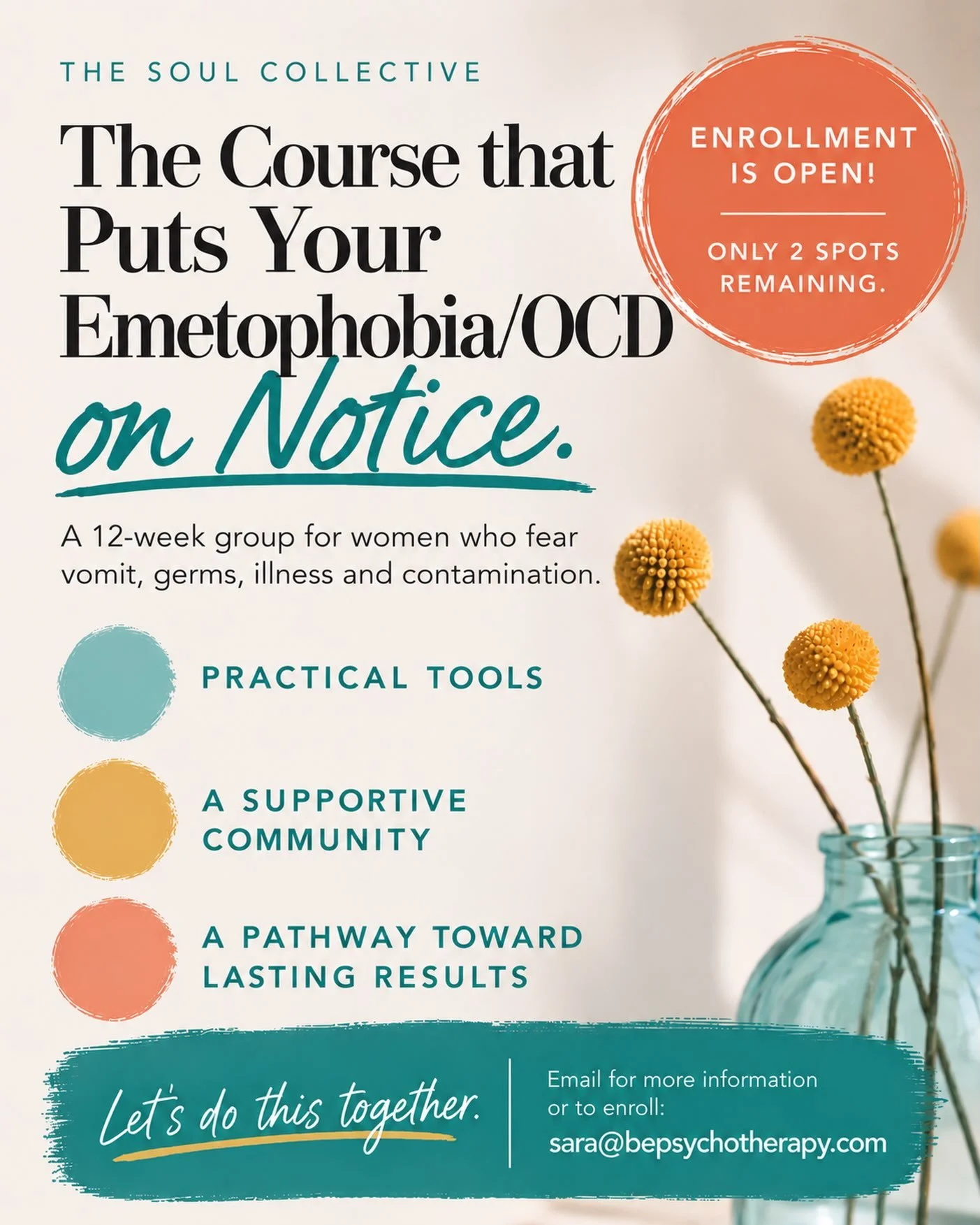
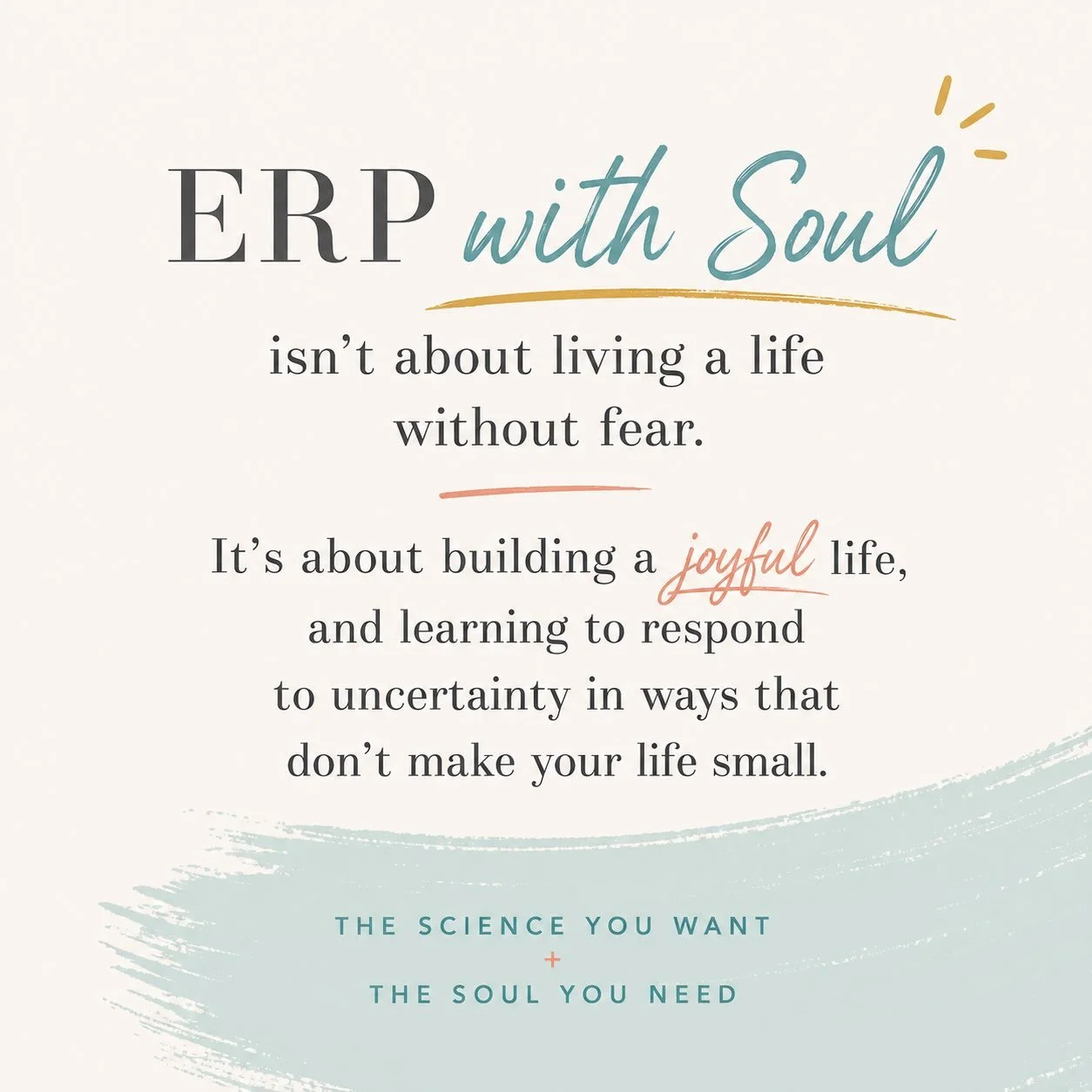
Dr. Sara Nett specializes in treating emetophobia & ocd. She haș created a program called ERP with Soul, a new approach to traditional ERP therapy. Please reach here out to learn more >
It’s been nearly six months since someone in your house vomited, and this scares you more than you’d dare say out loud.
That familiar, awful anticipation is like a concrete block sitting in your chest.
You can’t help but calculate how many months have passed since someone was sick, and you won’t be tricked into saying that number out loud.
Because we do not tempt the fates.
You’re filled with dread. Paralyzed by fear at 2 AM. The house is silent, and you’re exhausted from living with your nervous system on high alert, but your mind is buzzing with the frantic energy of a racehorse about to break from the starting gate.
Because you learned from the preschool group chat that someone threw up in the classroom yesterday, and you’re now (obviously) in peak emergency prep mode. It’s like a hurricane is approaching the shoreline — but instead of “board up the windows, place the sandbags, fill the tub with water, restock the pantry,” it’s Emetophobia’s version: Mental contact tracing, calculating and tracking incubation windows, getting the buckets, towels, and necessary supplies in place, putting others capable of caregiving during a plague on standby, and preparing to separate and quarantine the infected (the CDC should have consulted you in the Spring of 2020).
If you’re being honest, you’d take COVID for weeks if it came with a guarantee that you wouldn’t throw up.
You feel guilty as hell to admit that you’d say the same for your kids, but it’s true. Vomiting is that terrifying.
This is what it feels like to live your life on high alert. No one in your direct orbit has vomited. No one has even complained of a stomach ache. But a simple text message about something that happened to someone else, somewhere else has your nervous system on blast and you preparing for what feels like the end of days.
You’re waiting for the other shoe to drop.
Ironically, the best times are right after the final victim recovers and the clean up is complete. The clock restarts. You have the maximum time before the next disaster strikes. You could (sort of) sigh in relief, if you didn’t have such an emotional hangover from trying to survive the stomach bug. And the worst times? When it’s been months since someone vomited or fell ill. Waiting for that “other shoe.” The feeling of impending doom. Highest Alert. Guard Up.
And then there’s paralyzing fear of getting caught by surprise.
The terror that comes with not knowing who | when | where | for how long | to what extent has you spiraling — mental rumination — attempting to resolve the discomfort of your uncertainty about when and how disaster might strike.
Were we exposed?
Are we going to get sick?
Who is going to fall first?
What if I get sick?
Look at her. Does she look “off” in some way?
How much time do we have before it happens?
How can I prevent this from taking the whole house down?
When are we in the clear?
How am I feeling? Am I nauseous?
All of this from your mind’s decree that something might/could happen.
Here are some things that I know about you:
You’d settle for a diet of nuts and berries if it came with a guarantee that you’d never acquire food borne illness (damn you, cyclospora, for ruining the berries).
I know that the fear of being sick is bad enough — but the fear of being sick hundreds or thousands of miles from home and having to share a hotel bathroom with your three besties from your college era has you delaying the purchase of plane tickets and contemplating the best excuse for why you are cancelling on your friends for the third year in a row. You’ve traded in your passport for travel magazines, a growing list of places you’d like to visit “some day”, and a mournful gaze.
I know that you feel safest when you stick with your routine. Some call it inflexible or rigid. You see it as organized, responsible, and disciplined. Stick to the plan. No surprises. Don’t tempt the fates. Sure, you miss out on some opportunities — it’s hard to accept invitations that will interfere with the nap schedule or push bedtime — but if you’re being honest, the routine feels like an inflatable raft in a sea of rough water. No one in their right mind would let that raft drift.
I also know that you have tried so many things to make this better: relaxation strategies and grounding techniques, yoga and breathwork, a meditation retreat, self-help books, changing your thinking — even therapy. You’ve been desperately seeking a way out of this hell loop that you’re living in.
But the bill keeps coming, itemizing all of the things you have already lost and stand to lose:
Enjoyable time with your kids and family.
The ability to actually be present in the memories that you are making.
Hours in therapy that doesn’t feel like it’s actually addressing your deepest fears.
Passion for the things that you love doing.
Your confidence and self regard.
Hope that you can get better.
So, what now?
I know you’re afraid to spend time and money on more therapy, when therapy hasn’t worked in the past.
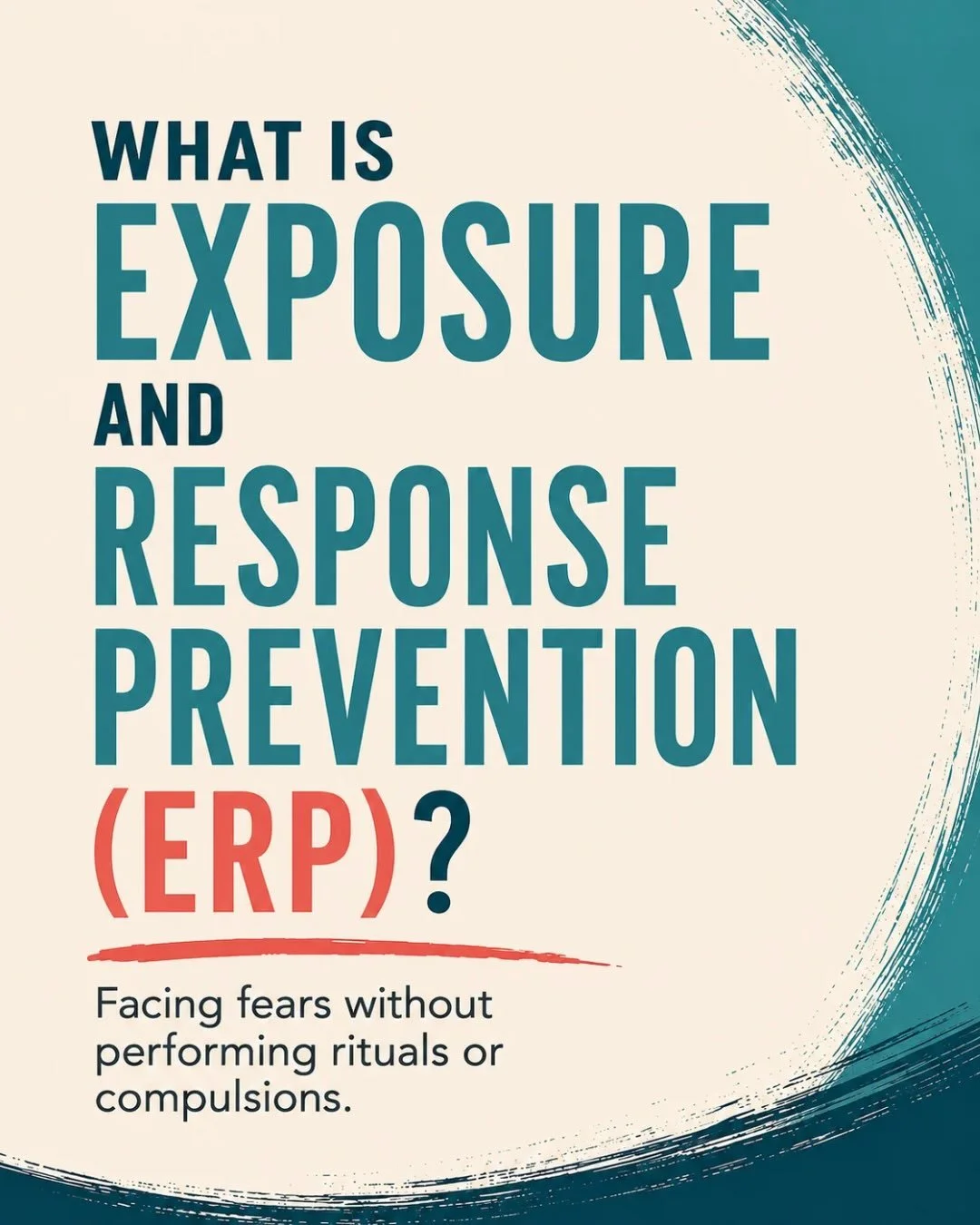
You need a very specific kind of therapy that was designed to help people with phobias and/or intrusive thoughts and compulsive mental rituals and actions. I know how to do this therapy — it’s my most favorite work, I do it all day/every day, and I’m very good at it.
You’ve heard that getting better requires facing your biggest fears, and you don’t think you can do that.
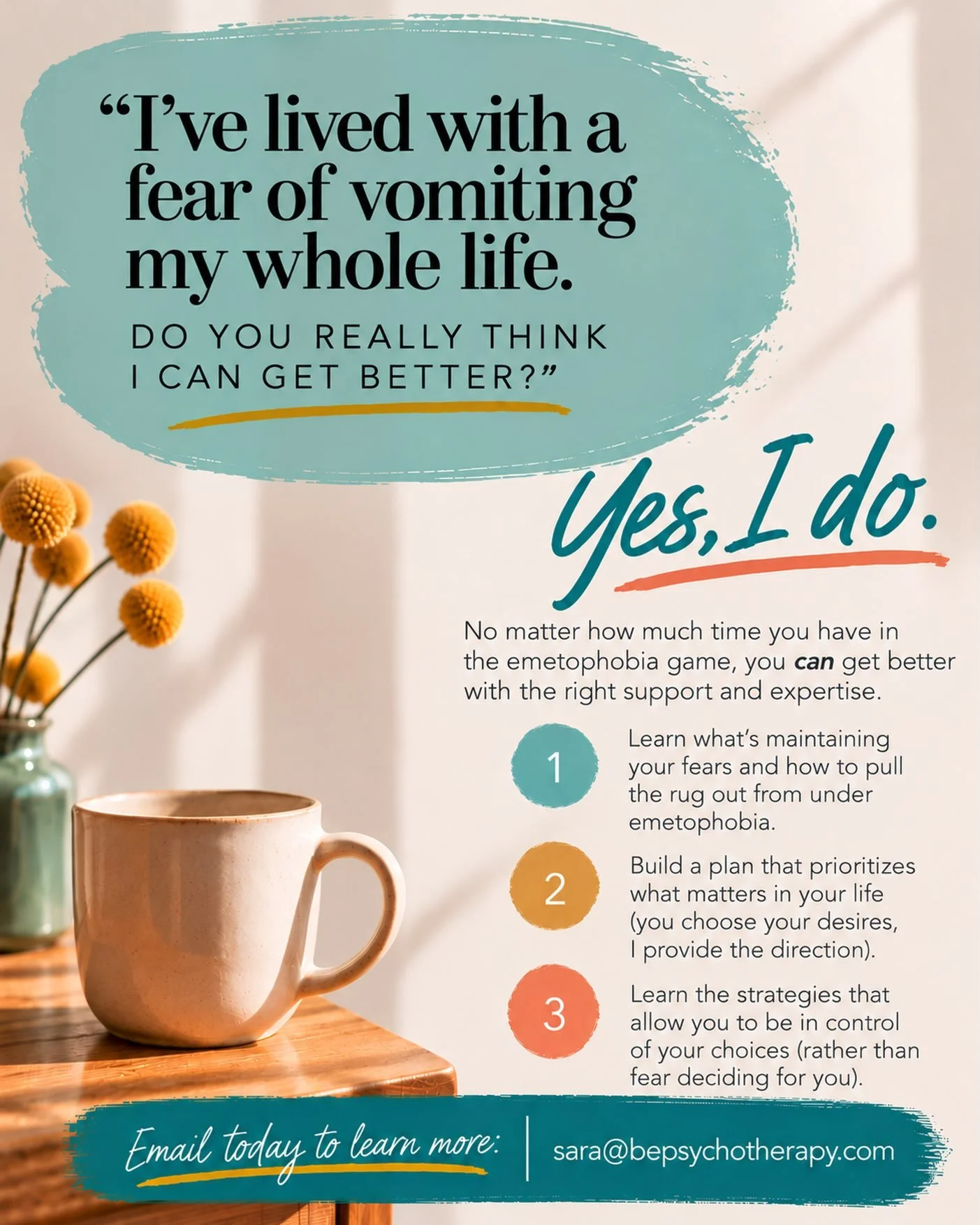
I know that you can, and I know how to support you in taking small but measured steps, in order to grow your confidence over time, expand your capacity for challenging yourself, and begin stepping into the life that you envisioned before your fears took such deep roots. We can do this — together — and it’s my mission to teach you the strategies that will help you slowly begin facing your fears with a sturdy frame of courage and empowerment. I said I was good at this, and I meant it.
You’re afraid to get your hopes up, only to feel like you’ve failed again.
I’ll hold the hope, until you can. In the meantime, I’m going to support you and teach you to pace and scaffold this work properly, so that you can experience meaningful progress and pride in what you are building. You can do this. You just need a specific kind of guidance and expertise.
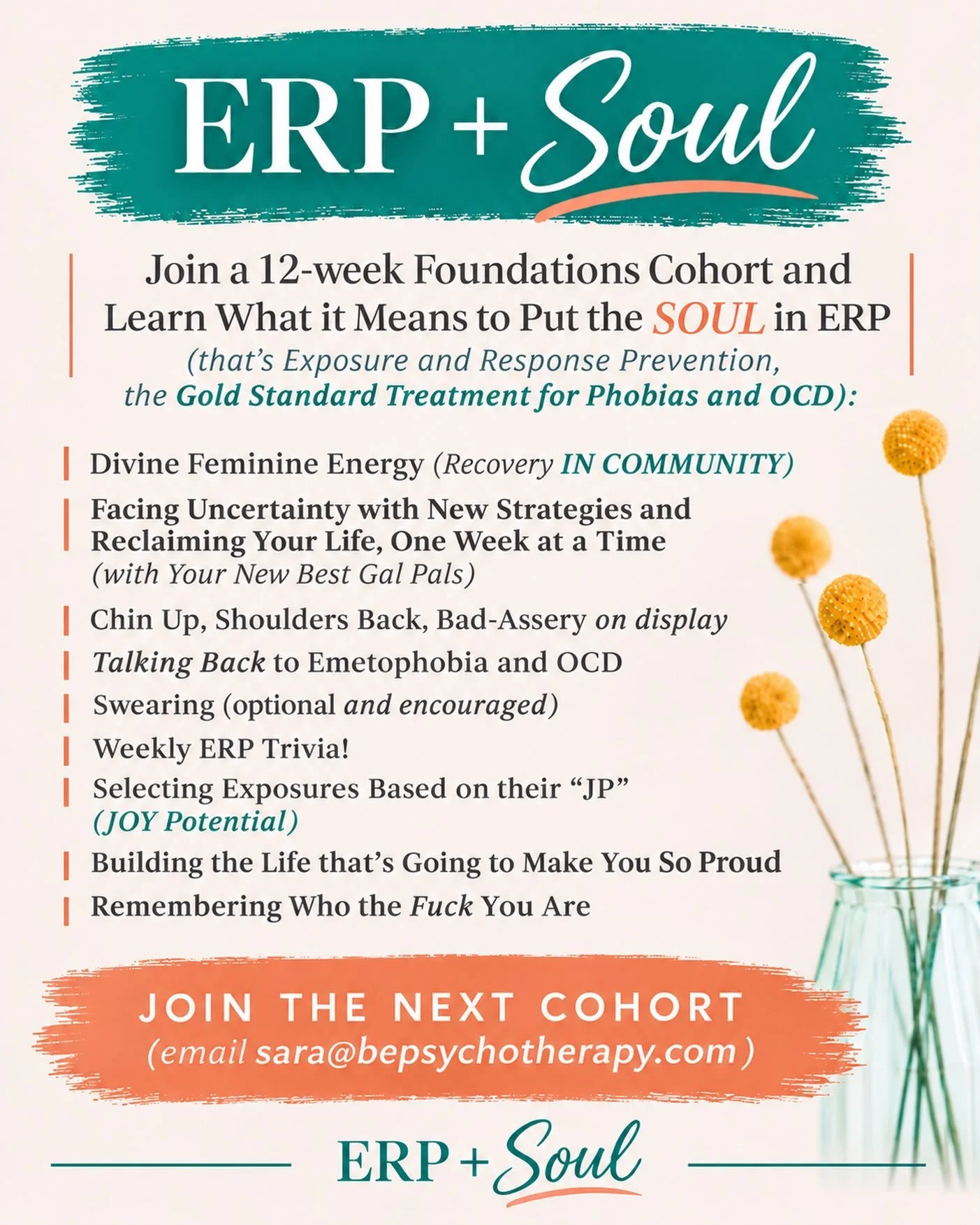
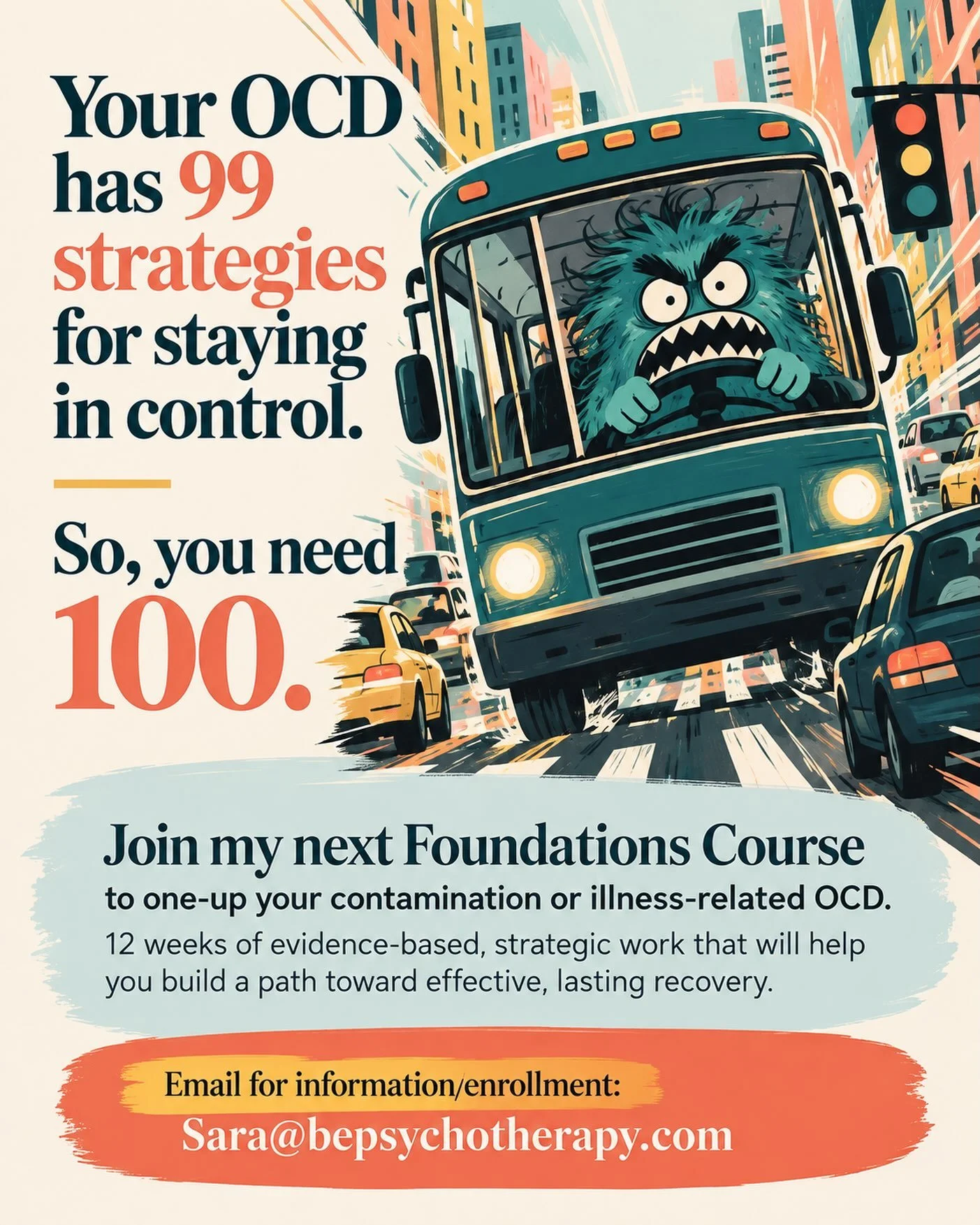
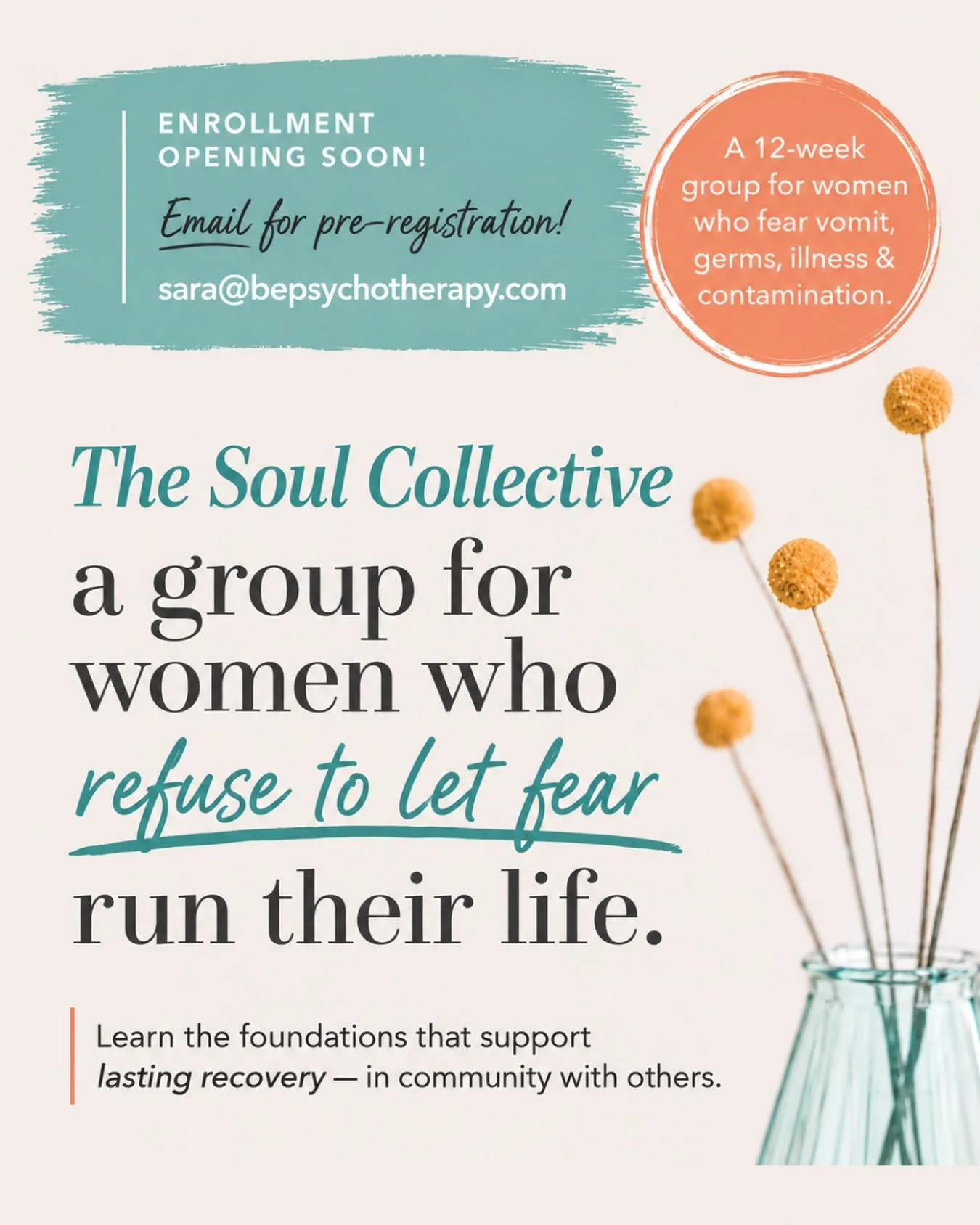
I’ve built a program for people just like you. This program typically begins with a 12-week, virtual cohort experience designed to teach you the foundations of effective, lasting recovery work. And the best part — you get to do this life changing work with a community of others who share your struggle and your hopes and vision for the future. Recovery work is accelerated when we do it in community.
You have felt so alone in this, for so long. That can end now.
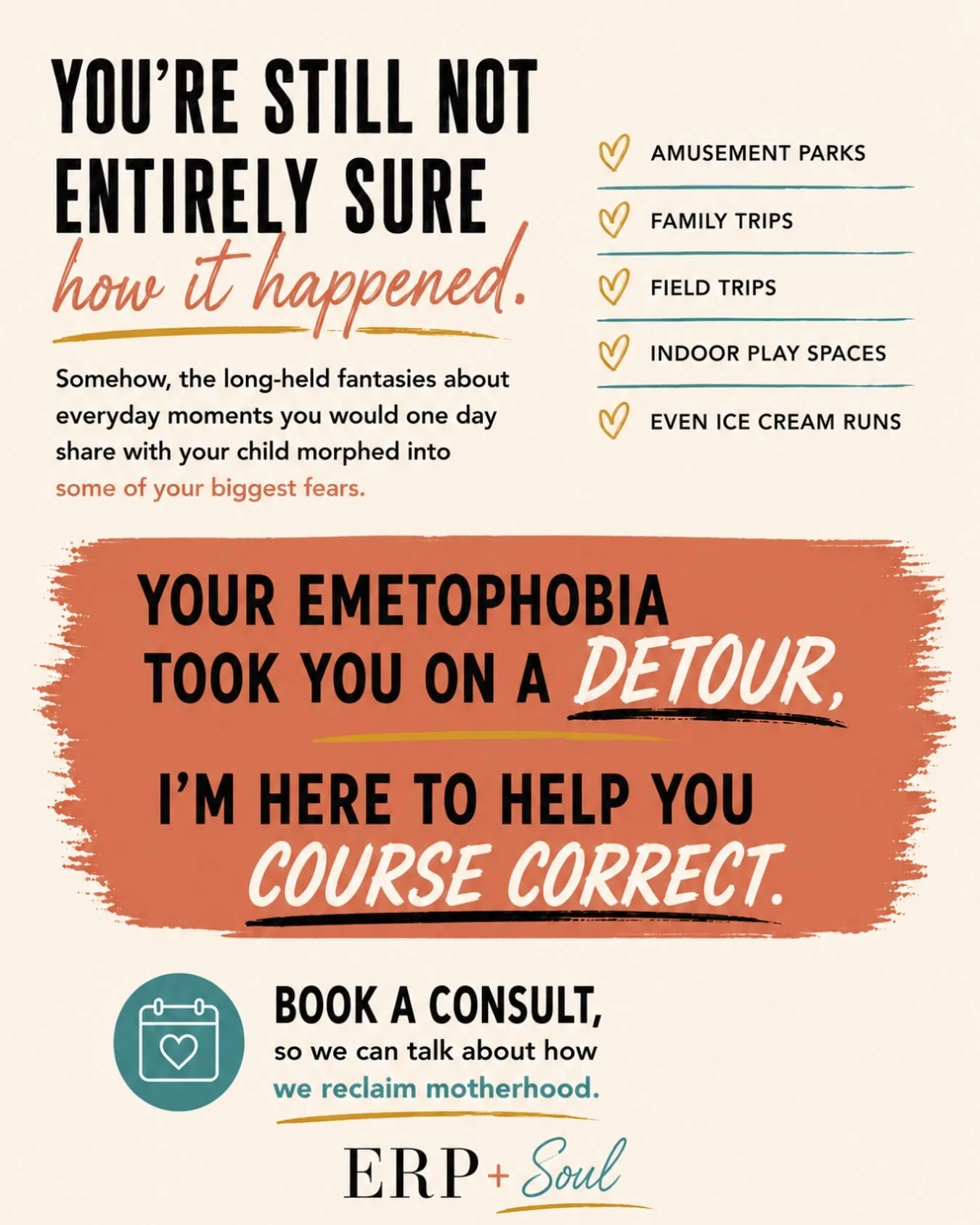
Do you want to learn the foundations for building an effective, lasting recovery program? Do you want to build relationships with others who understand you and will root for you as you take important steps toward building the life you want? Your next step — schedule a consult, so we can talk details! I’d love to meet you, share more about the ways that we can work together, and help you begin to envision a path forward that offers more peace, presence, and joy in your life.
Follow Dr. Sara Nett on Instagram for helpful resources and more.