

the be. blog

Understanding and Sharing the Mental Load—How Partners and Loved Ones Can Facilitate Postpartum Rest, Recovery, and Wellness
When a new baby arrives, everyone’s attention shifts to feeding schedules, sleep stretches, and baby milestones. But beneath the surface, many new parents—especially the birthing parent—are carrying something less visible but mighty: the mental load.
If you’re the partner or loved one of someone who just had a baby, understanding and actively sharing the mental load can help you show up in deeper, more meaningful ways.

5 Important Ways to Support Your Partner (Or Loved One) After Having a Baby
When a new baby arrives, life changes overnight. While many people expect joy and excitement, the postpartum period can also bring exhaustion, overwhelm, and big emotional shifts. If you’re wondering how to support your partner or loved one after they have a baby, know that your role is incredibly important.
At be. psychotherapy, we see how much of a difference partner support makes during this transition. Here are five meaningful and practical ways to show up for your partner or loved one in the postpartum period.
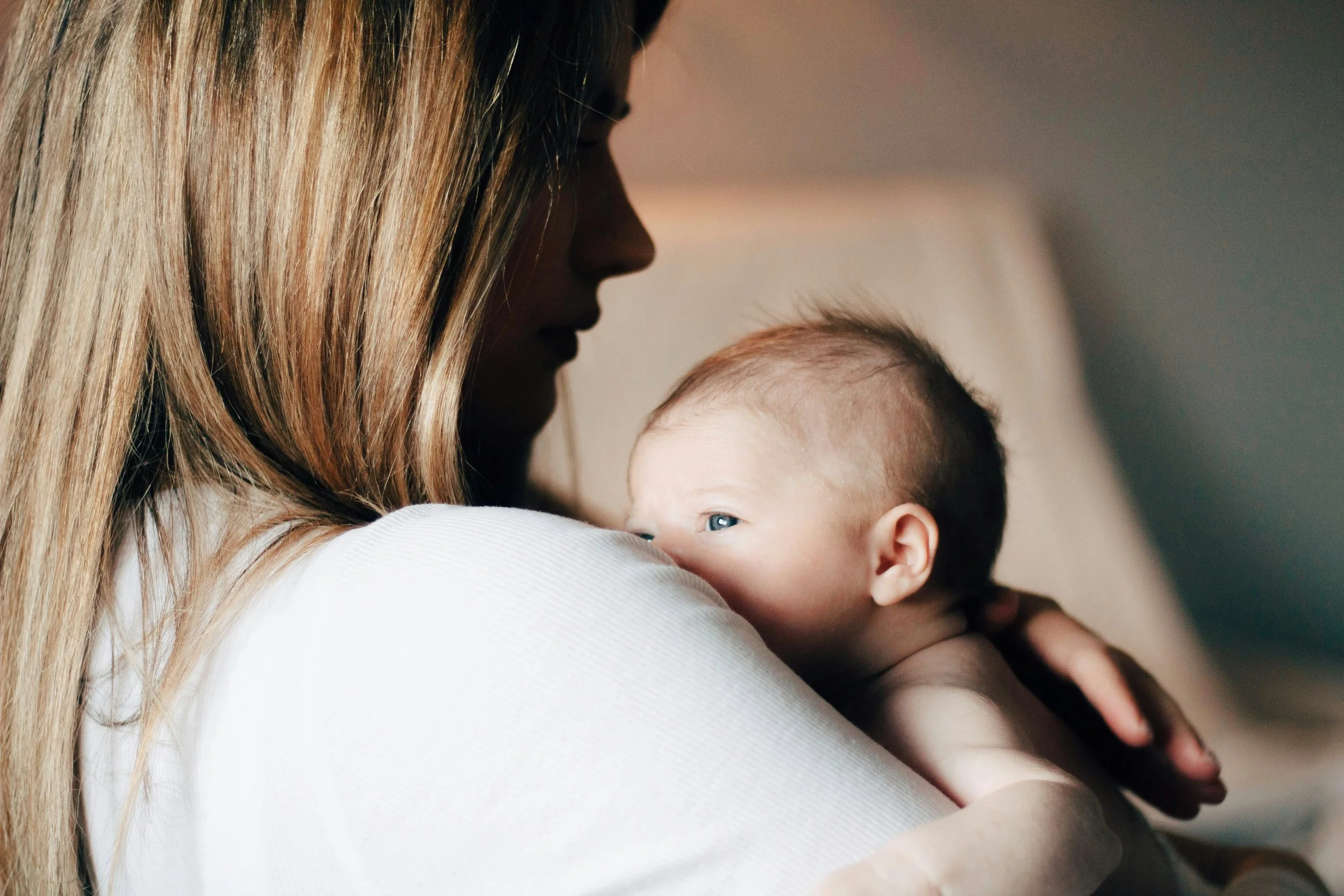
Tips for Getting the Help You Need During Postpartum Recovery (and Beyond!)
“Let me know if you need anything.”
It’s a kind offer — but when you’re sleep-deprived, physically recovering, and emotionally stretched, figuring out what to ask for can feel impossible.
Here are three things to consider that make asking for help a bit less daunting (and more likely to help you get what you need from your community):

Understanding Perinatal Mental Health: Identifying Risks, Recognizing the Need for Help, and Finding Support
Though cultural narratives will lead you to believe that you should “glow” and feel calm, blissful, and excited during pregnancy and postpartum, many people find that their actual experience is marked by fluctuating emotions, highs and lows, and worry about their mental health. For some, especially those with known increased risk for perinatal mood and anxiety disorders (PMADs: a term that encompasses perinatal and postpartum depression, anxiety, obsessive-compulsive disorder, bipolar disorders, psychosis, and posttraumatic stress), the perinatal period, which covers pregnancy and the first year after a baby is born, can lead to frequent worry and rumination.